Land Clearing and Grading Services for Stable Site Development
Reliable land clearing and grading support for prepared and even surfaces
Land Clearing and Grading Process Overview
Land clearing and grading involve a structured approach to preparing land for safe and usable conditions. At T&D Land Service in Southport, NC, the process begins with a site evaluation to assess vegetation, debris, soil type, and elevation levels. Clearing includes removing trees, brush, roots, and surface obstacles using controlled cutting, hauling, and disposal methods. This step ensures the area is free from obstructions that may affect further work. After clearing, grading begins to shape the terrain. Grading includes cutting high areas and filling low sections to achieve a balanced surface.
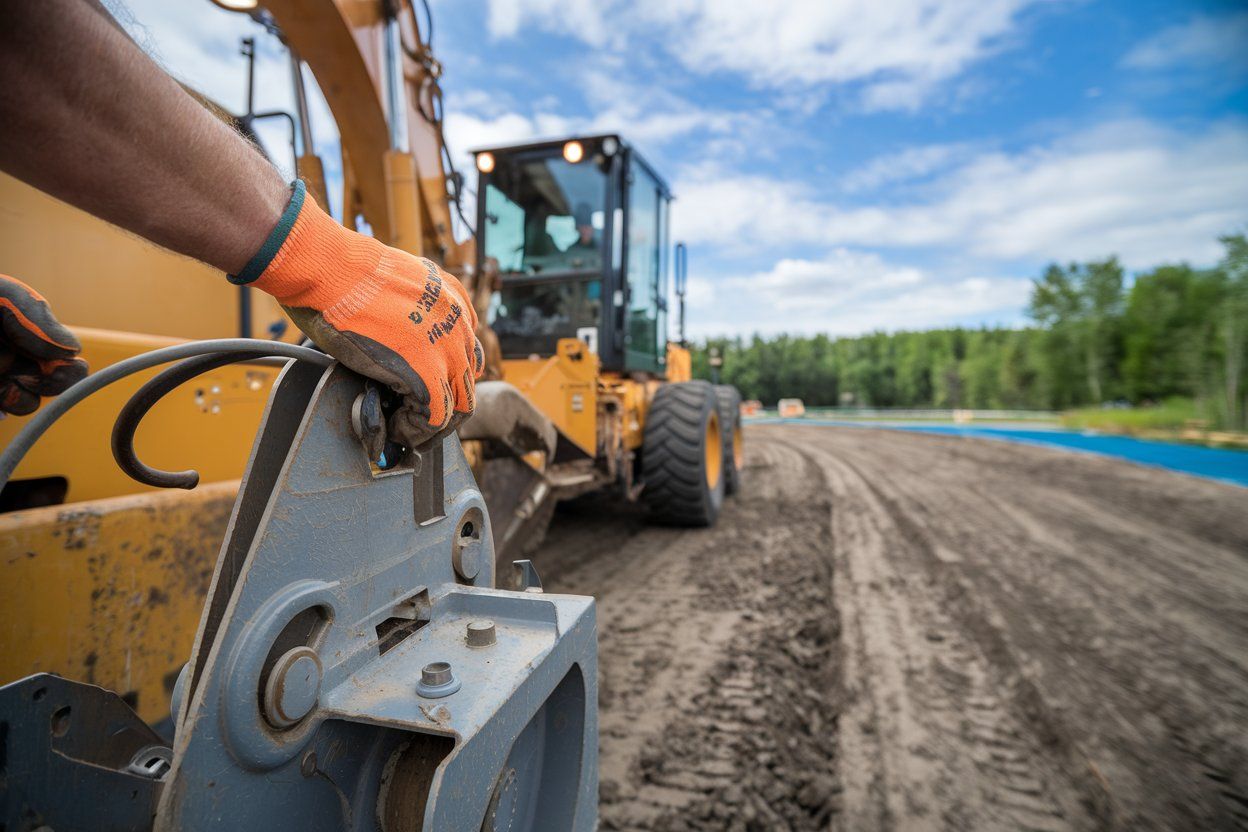
Equipment such as excavators, bulldozers, and compactors are used to move and level soil accurately. Proper slope control is applied to help with drainage and prevent water buildup. Soil is then compacted to increase stability and reduce shifting over time. The final stage includes smoothing and preparing the surface for its next use. Each step is completed with attention to detail, ensuring the ground meets required elevation and strength standards while maintaining safety and consistency across the site.
Careful planning and execution help reduce risks, improve drainage efficiency, and support long-term ground durability. This approach ensures the land is properly prepared for future use while maintaining structural integrity and a clean, even finish.
Core Services and Value Approach
Land clearing and grading are important steps in preparing land for safe and functional use. Proper clearing removes unwanted material that can interfere with stability and access. Grading ensures the surface is even and shaped to control water movement, which helps reduce erosion and water damage.
•🌱Site Clearing:
Removal of trees, brush, and surface debris to create a clean and workable land base
•🚜Grading Work:
Controlled leveling and slope adjustment to support proper drainage and ground stability
•🪨Soil Compaction:
Strengthening soil layers to reduce settling and improve load support over time
•🛠️Equipment Handling:
Use of advanced machinery for efficient and accurate land shaping tasks
•📏Drainage Setup: Planning surface slopes to guide water flow and prevent pooling or erosion
Without these steps, uneven ground can lead to drainage issues, shifting soil, and long-term maintenance concerns. At
T&D Land Service, careful planning and the use of suitable equipment allow each project to be completed with consistency. The goal is to create a balanced surface that supports future use while maintaining strength and durability. Each phase is handled with a focus on safety and structural readiness, ensuring the land is prepared correctly from start to finish. For more details or to get started, contact
(910) 412-2191.
Grading Techniques and Site Preparation Methods
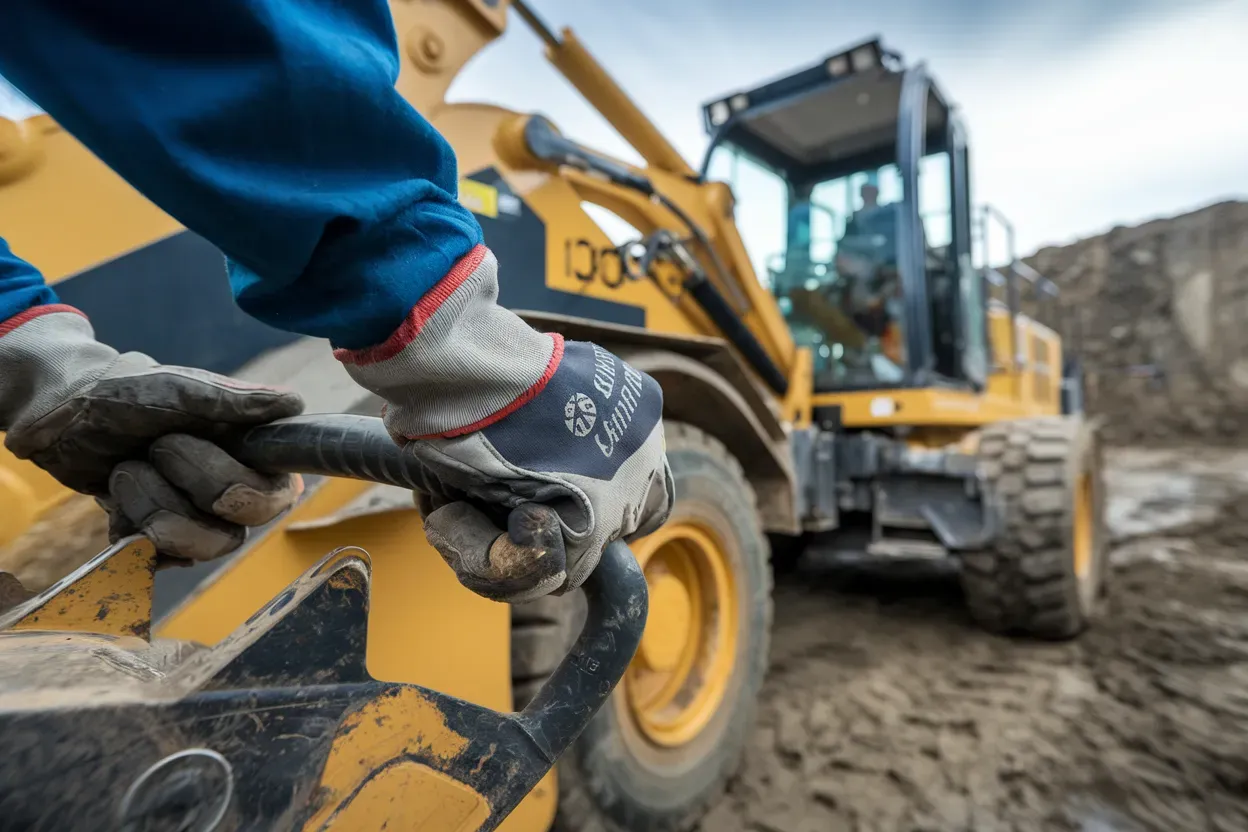
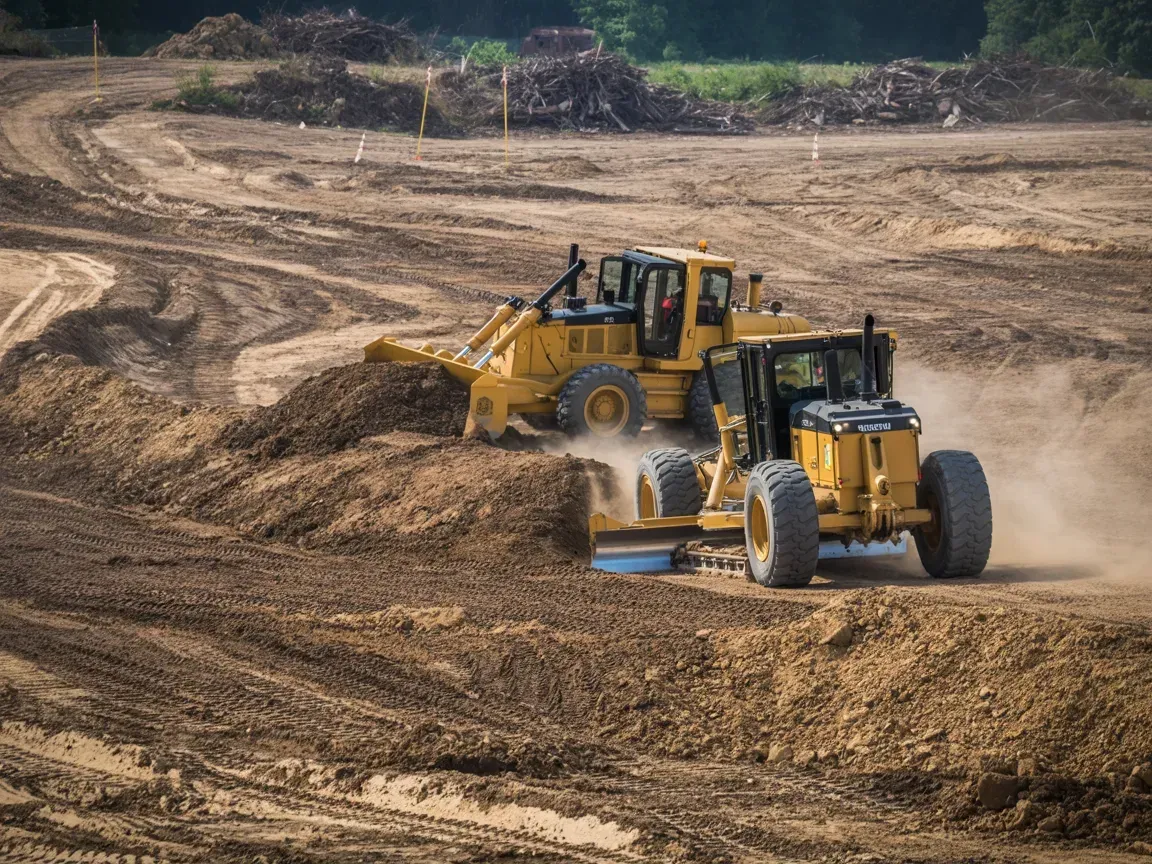
Grading is a key step in shaping land to meet specific elevation and drainage needs. The process begins with assessing the natural slope and soil condition of the site. After evaluation, equipment is used to cut higher ground and fill lower areas, creating a balanced and even surface. This method helps manage water flow and reduces the risk of erosion or pooling. During grading, compacting the soil is important to increase density and stability. This helps the ground resist shifting under pressure and supports long-term durability. In addition, attention is given to slope direction to guide water away from critical areas.
Fine grading may follow, where the surface is smoothed and leveled to create a consistent finish. At T&D Land Service in Southport, NC, each grading step is handled with care to ensure proper alignment and surface strength. The process helps prepare the land for its next stage by creating a firm and stable foundation. For inquiries, reach out to (910) 412-2191.
Proper drainage control and surface shaping are also applied to support long-term usability. This ensures a reliable base that can withstand environmental conditions and future use. Regular inspection and adjustments help maintain accuracy throughout the project, ensuring consistent results and improved land performance over time.