Strategic Land Clearing and Hauling Systems for Organized Site Development
Reliable land clearing and hauling with controlled methods and steady site coordination.
Land Clearing and Material Processing Flow
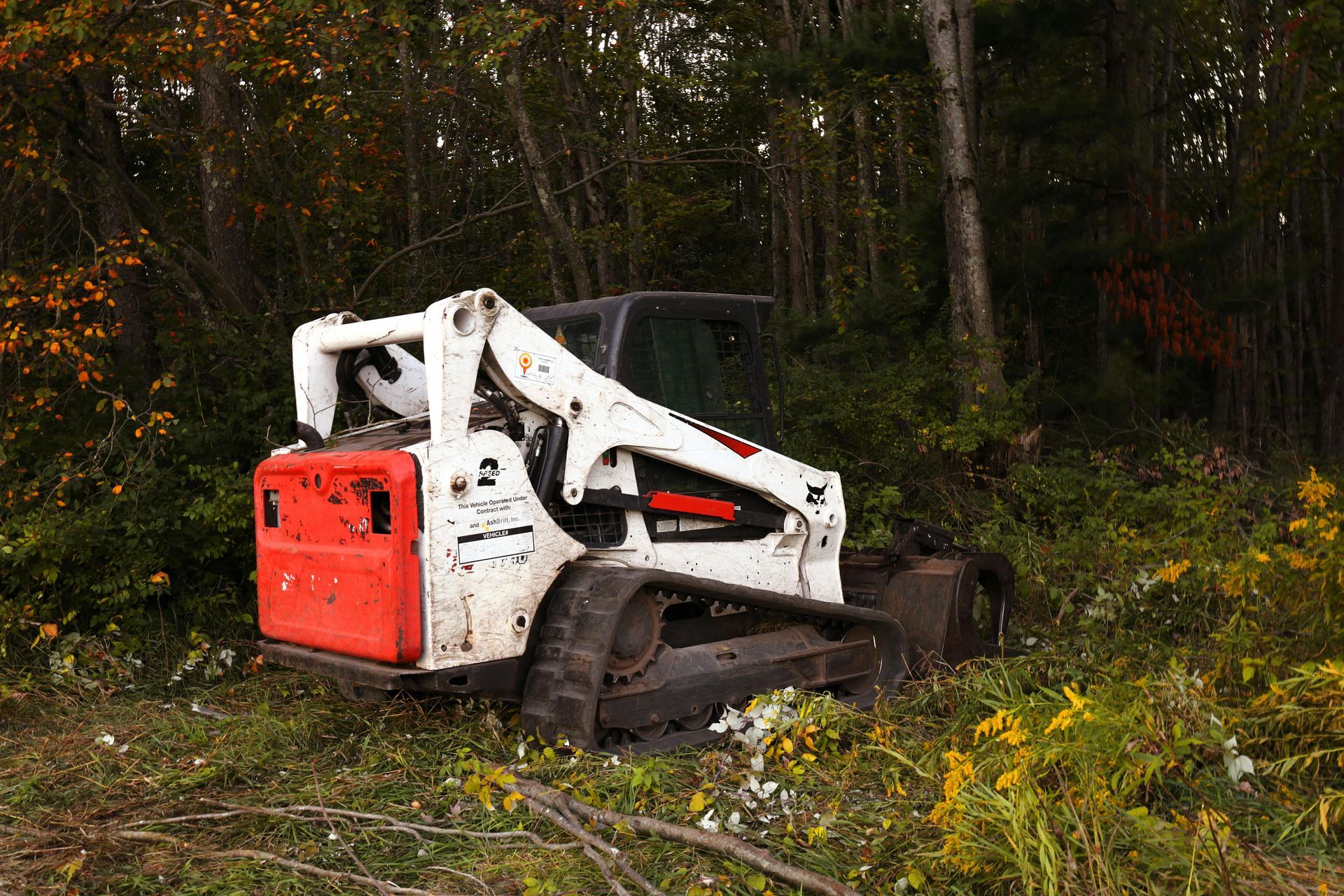
Land clearing refers to the removal of vegetation, stumps, rocks, and surface debris to prepare land for further use. At T&D Land Service, the process starts with an evaluation of the site to determine terrain conditions, soil stability, and access for equipment. This step helps in selecting the proper method for clearing, such as cutting, grinding, and controlled removal of unwanted materials.
Heavy equipment is used to manage dense vegetation and larger obstructions while keeping the ground as undisturbed as possible. Once the clearing phase begins, all materials are systematically separated to support efficient handling. Hauling is then introduced to remove collected debris from the site. Materials such as soil, brush, and waste are loaded into transport equipment and moved away to maintain a clean working area.
This coordinated process ensures that clearing and hauling work together without interruptions. Each stage is performed with attention to safety and proper handling to avoid unnecessary disruption to the ground. In Southport, NC, T&D Land Service
follows a structured approach that keeps the site organized while maintaining steady progress toward a clean and prepared surface. Careful planning, consistent monitoring, and proper equipment use help maintain efficiency, reduce delays, and support smooth completion of each phase of work.
Service Capabilities and Operational Strength
Proper land clearing and hauling are essential for maintaining safe and usable terrain. When vegetation and debris are not removed in an organized manner, the area can become uneven and difficult to manage. A clear process ensures that all materials are handled efficiently and the site remains accessible.
🟢 Debris Extraction: Materials are removed and managed carefully to prevent accumulation and maintain site order.
🟤 Ground Condition Control: Clearing methods help maintain soil integrity and reduce the impact of equipment movement.
🟡 Material Transport Handling: Hauling is managed to provide smooth movement of cleared materials off site.
🔵 Equipment Based Clearing: Appropriate machinery is used to improve clearing efficiency and handle tough terrain.
🟠 Workflow Coordination: Clearing and hauling are aligned to ensure consistent progress and organized operations.
T&D Land Service
applies structured steps that support smooth operations while keeping the ground stable. Coordinating clearing and hauling allows each task to flow into the next without delay, helping maintain consistent progress. This approach reduces the chance of leftover debris and keeps the site in better condition for future use. By following organized methods, the work remains steady and manageable. For more information or to schedule service, contact T&D Land Service
at (910) 412-2191.
Hauling Execution and Site Organization
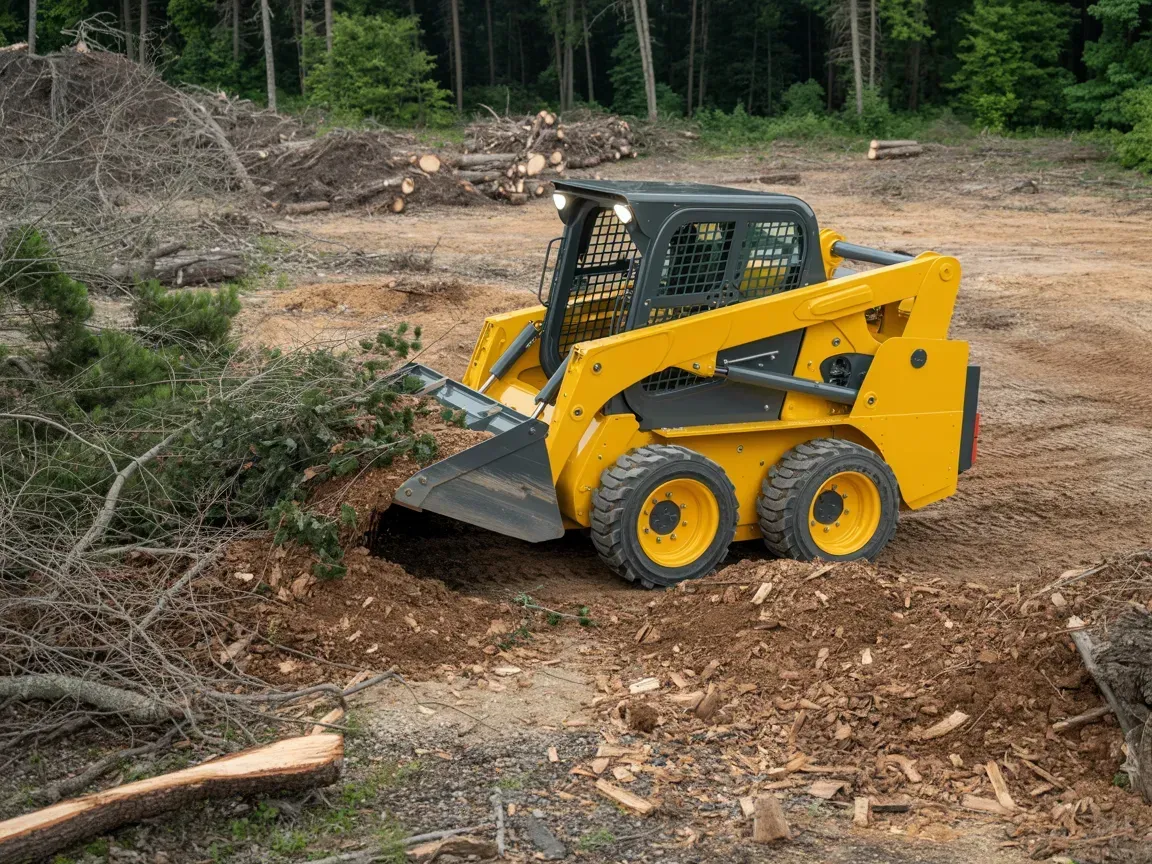
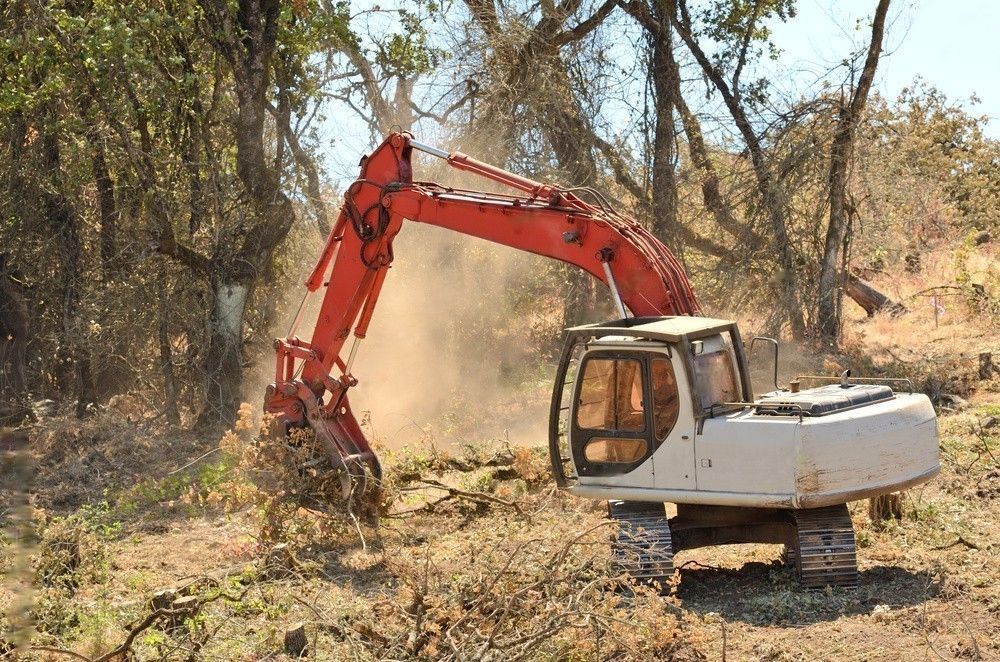
Hauling execution is an important part of the land clearing process that ensures all removed materials are transported efficiently. At T&D Land Service, hauling begins as soon as debris is gathered, preventing buildup on the site and supporting a cleaner working environment. Materials such as vegetation, soil, and other waste are carefully loaded into transport equipment.
Each hauling step is handled with attention to weight limits, loading balance, and safe movement. Equipment is chosen based on the type of material being moved, helping maintain control throughout the process. Routes are also considered to avoid delays and ensure timely delivery to designated areas.
By maintaining coordination between clearing and hauling, the site remains organized and easy to manage. This process helps T&D Land Service
keep projects on track while maintaining clear and stable land conditions in Southport, NC. Careful scheduling, organized loading practices, and consistent monitoring support smooth operations while reducing the risk of disruptions, ensuring that every stage is completed efficiently and in a controlled manner. Regular inspection and adjustment of methods help maintain consistent output, improve safety, and support reliable progress throughout the entire project. Ongoing coordination and systematic tracking further enhance overall performance and operational consistency.