Efficient Land Clearing with Storm Water Control Systems
Clean site preparation with managed water flow
What is Land Clearing and Storm Water Management
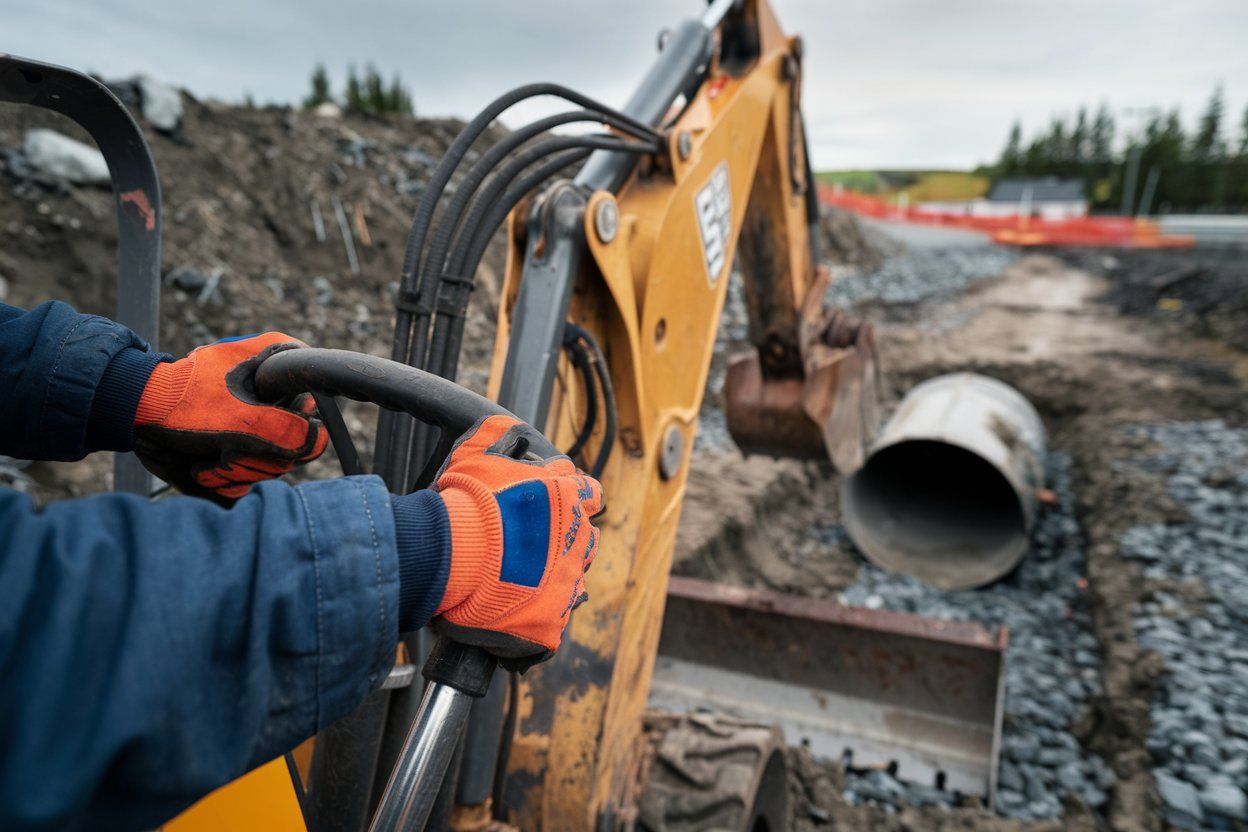
Land clearing paired with storm water management is a structured process that prepares land while ensuring water is properly controlled and directed. At T&D Land Service, serving City Southport, NC, this process starts with evaluating the land’s natural features, including vegetation, elevation, and existing water flow. Land clearing involves removing trees, shrubs, roots, and debris to create an open and workable space. This step is carried out carefully to limit soil disturbance and keep the ground stable. After the clearing is complete, attention shifts to managing how water moves across the land.
Storm water management focuses on preventing water from pooling or causing erosion by using grading, drainage channels, and proper land shaping. The goal is to guide rainwater away from sensitive areas and reduce the risk of damage. This process also helps maintain soil strength and supports proper water absorption into the ground. Every project follows a clear plan to balance land preparation with water control, ensuring the site remains stable and usable.
By combining clearing and water management, the land is made safer and more prepared for future use while helping reduce long-term maintenance issues. It also helps protect nearby areas, reduces flooding risks, and supports long-term land durability and environmental stability.
Service Highlights and Benefits We Provide
These services matter because unmanaged water can damage soil, weaken structures, and create unsafe conditions.
•🌱Careful Clearing Methods:
We remove unwanted vegetation and debris while keeping the soil structure intact for a stable surface
•💧Water Direction Planning:
We design pathways that guide water away from problem areas to reduce pooling and runoff issues
•🛤️Grading and Slope Work:
Our team adjusts land elevation to encourage proper drainage and balanced water flow
•🔍Site Evaluation:
We review each property to understand its water movement and create a clear action plan
•⚙️Drainage Support:
We provide solutions that help control excess water and protect the land from erosion
Proper planning helps reduce these risks while improving the usability of the land. At T&D Land Service, we focus on delivering dependable service that supports both land preparation and water control. Our process ensures that each step is handled with care, keeping the land functional and protected while maintaining long-term stability and reducing future maintenance concerns. We also focus on consistent communication and careful execution from start to finish, ensuring every detail is addressed properly. Our team works to provide reliable results that support safe land conditions over time. To learn more, contact (910) 412-2191.


Controlled Site Shaping and Water Management Process
The process of controlled site shaping and water management is an important part of preparing land for safe and long-term use. At T&D Land Service in City Southport, NC, it begins with understanding how water naturally flows across the property. This includes identifying low areas where water may collect and higher points where it may run off quickly. Once this is understood, the land is cleared of vegetation, roots, and other materials that could block proper water movement.
After clearing, the ground is shaped through grading to create a balanced slope that encourages water to flow in the right direction. Drainage features may be added to further control runoff and prevent erosion. These steps work together to improve how the land handles rainfall and reduce the chances of water-related damage. The process is carried out with attention to detail to maintain soil strength and surface stability. By combining thoughtful clearing with proper water management, the land becomes safer, more functional, and better prepared for future use while supporting long-term durability.
This also helps reduce maintenance needs, protects nearby areas, and ensures the land remains stable during heavy rainfall events over time. It further supports proper drainage patterns, minimizes water accumulation, and helps preserve the integrity of the land for continued use and reliability.